What is MedInria?
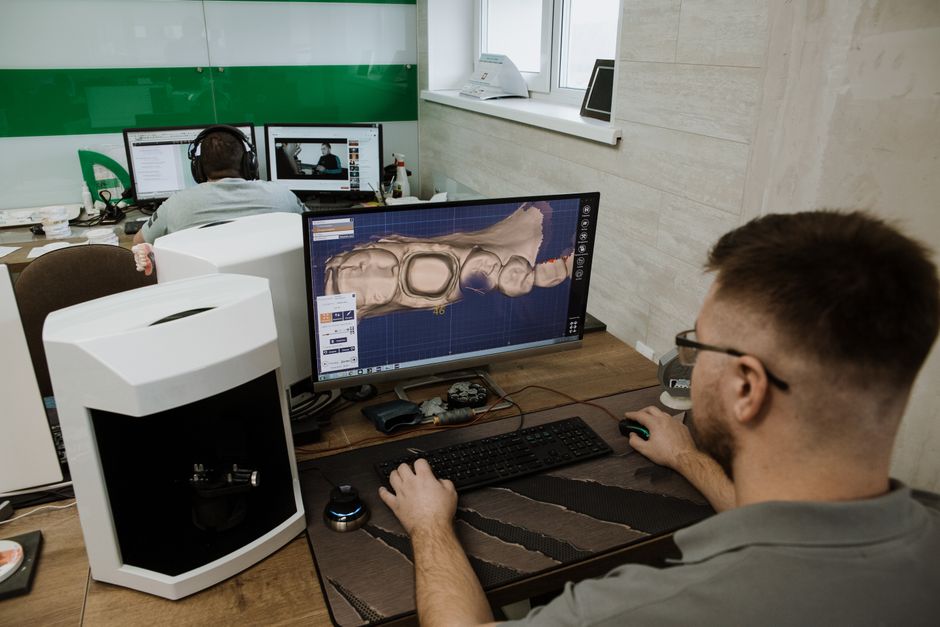
MedInria is an open-source software for the medical imaging community. It offers a comprehensive platform for analyzing and visualizing medical imaging data, with a focus on 3D visualization, implantology, and surgery. MedInria’s capabilities range from simple image viewing to complex image processing and analysis. Its intuitive interface and powerful tools make it an essential tool for healthcare professionals, researchers, and engineers working with medical imaging data.
Main Features of MedInria
MedInria’s main features include advanced 3D visualization capabilities, support for various image formats, and a wide range of image processing algorithms. Its offline repository setup ensures resilient backups, and its versioned exports enable users to track changes to their data.
Installation Guide
System Requirements
Before installing MedInria, ensure your system meets the following requirements:
- Operating System: Windows, macOS, or Linux
- Processor: 64-bit processor
- Memory: 8 GB RAM or more
- Storage: 2 GB available space or more
Download and Installation
To download MedInria, visit the official website and click on the ‘Download’ button. Once the download is complete, follow the installation instructions for your operating system.
Windows Installation
1. Run the downloaded installer and follow the prompts.
2. Choose the installation location and select the components to install.
3. Wait for the installation to complete.
macOS Installation
1. Open the downloaded .dmg file and drag the MedInria icon to the Applications folder.
2. Wait for the installation to complete.
Linux Installation
1. Extract the downloaded archive to a directory of your choice.
2. Run the MedInria executable file to launch the application.
Importing Files into MedInria
Supported File Formats
MedInria supports various image file formats, including DICOM, NIfTI, and MRI.
Importing Files
To import files into MedInria, follow these steps:
- Launch MedInria and click on the ‘File’ menu.
- Select ‘Import’ and choose the file format.
- Navigate to the file location and select the file to import.
- Wait for the import process to complete.
Offline Repository Setup for Resilient Backups
Why Use an Offline Repository?
An offline repository ensures that your data is safe in case of system failures or data loss.
Setting Up an Offline Repository
To set up an offline repository in MedInria, follow these steps:
- Launch MedInria and click on the ‘Settings’ menu.
- Select ‘Repository’ and choose ‘Offline Repository’.
- Set the repository location and choose the data to backup.
- Wait for the backup process to complete.
MedInria vs Alternatives
Comparison with Other Software
MedInria is often compared to other medical imaging software, such as 3D Slicer and ITK-SNAP. While these software offer similar features, MedInria’s offline repository setup and versioned exports make it a more reliable choice for data-intensive applications.
Pros and Cons of MedInria
| Pros | Cons |
|---|---|
| Advanced 3D visualization capabilities | Steep learning curve |
| Support for various image formats | Large system requirements |
| Offline repository setup for resilient backups | Limited customer support |
FAQ
Frequently Asked Questions
Q: Is MedInria free to download?
A: Yes, MedInria is free to download and use.
Q: Can I use MedInria for commercial purposes?
A: Yes, MedInria can be used for commercial purposes, but it requires a license.
Q: How do I import files into MedInria?
A: To import files into MedInria, follow the steps outlined in the ‘Importing Files into MedInria’ section.