ITK (Insight Toolkit) History: From Research to Dentistry
The ITK (Insight Toolkit) has come a long way since its inception, evolving from a research software to a global dental visualization platform. In this article, we will delve into the history of ITK, its evolution, and how it has revolutionized the field of dentistry.
Early Beginnings: The Birth of ITK
The ITK was first created in the 1990s by the National Library of Medicine (NLM) as part of the Visible Human Project. The goal of the project was to create a comprehensive digital dataset of the human body, which would aid in medical research and education. The ITK was designed to be a software framework that would facilitate the analysis and visualization of medical imaging data.

Initially, the ITK was used primarily in research institutions and academia, where it was employed to analyze and visualize medical imaging data from various modalities, including MRI, CT, and PET scans.
Open-Source and Free: The Turning Point
In 2001, the ITK was released as an open-source software, making it freely available to the public. This move marked a significant turning point in the history of ITK, as it allowed developers and researchers from around the world to contribute to the software, leading to rapid advancements and improvements.
As the ITK continued to evolve, it began to gain traction in the medical community, with many researchers and clinicians adopting the software for their analysis and visualization needs.
From Research to Dentistry: The Evolution of ITK
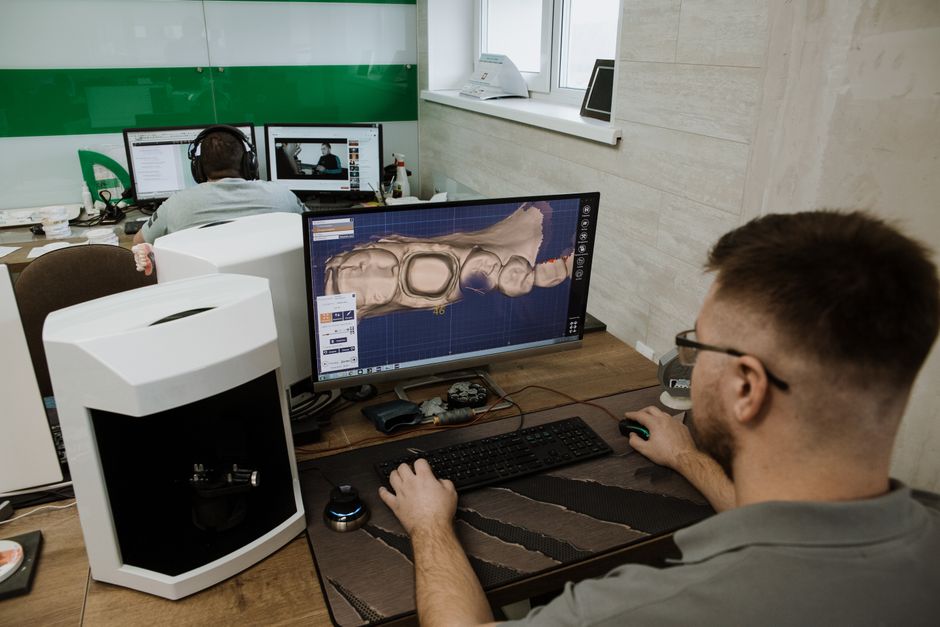
In the early 2000s, the ITK began to make its way into the field of dentistry, where it was used for dental visualization and analysis. The software’s ability to handle large datasets and provide high-quality 3D visualizations made it an ideal tool for dental professionals.
Today, the ITK is widely used in dentistry, with many dental software companies incorporating the toolkit into their products. The software’s evolution has also led to the development of new dental visualization tools and techniques, such as 3D printing and virtual reality.
Comparison with Legacy Tools
| Feature | ITK | Legacy Tools |
|---|---|---|
| Cost | Free and open-source | Commercial and expensive |
| Customizability | Highly customizable | Limited customization options |
| Community Support | Large and active community | Limited community support |
One of the key advantages of the ITK is its cost-effectiveness. As a free and open-source software, the ITK is accessible to researchers and clinicians who may not have the budget for commercial software.
In addition, the ITK’s customizability and large community support make it an ideal choice for those who require specialized tools and techniques.
Comparison with Other Dental Visualization Tools
| Feature | ITK | Dental Visualization Tool A | Dental Visualization Tool B |
|---|---|---|---|
| 3D Visualization | High-quality 3D visualizations | Basic 3D visualizations | Advanced 3D visualizations |
| Data Analysis | Advanced data analysis tools | Basic data analysis tools | Limited data analysis tools |
| Integration | Seamless integration with other software | Limited integration options | Good integration options |
Another key advantage of the ITK is its ability to provide high-quality 3D visualizations, which is essential for dental professionals who require accurate and detailed visualizations.
In addition, the ITK’s advanced data analysis tools make it an ideal choice for researchers and clinicians who require specialized data analysis techniques.
Comparison with Other Open-Source Dental Visualization Tools
| Feature | ITK | Open-Source Dental Visualization Tool A | Open-Source Dental Visualization Tool B |
|---|---|---|---|
| Licensing | Permissive licensing | Restrictive licensing | Permissive licensing |
| Community Support | Large and active community | Limited community support | Good community support |
| Customizability | Highly customizable | Limited customization options | Good customization options |
One of the key advantages of the ITK is its permissive licensing, which allows developers and researchers to freely modify and distribute the software.
In addition, the ITK’s large and active community provides a wealth of resources and support for users, making it an ideal choice for those who require specialized tools and techniques.
Conclusion
In conclusion, the ITK has come a long way since its inception, evolving from a research software to a global dental visualization platform. Its open-source and free nature, customizability, and large community support make it an ideal choice for researchers and clinicians in the field of dentistry.

As the ITK continues to evolve, it is likely to remain a leading tool in the field of dental visualization, providing researchers and clinicians with the tools and techniques they need to advance the field of dentistry.