DentaLab Open history: The Evolution of a Revolutionary Dental Platform
DentaLab Open is a cutting-edge dental practice management software that has been making waves in the industry with its innovative features and user-friendly interface. But have you ever wondered how it all started? In this article, we will delve into the DentaLab Open history, exploring its journey from research software to a global dental visualization platform.
From Humble Beginnings
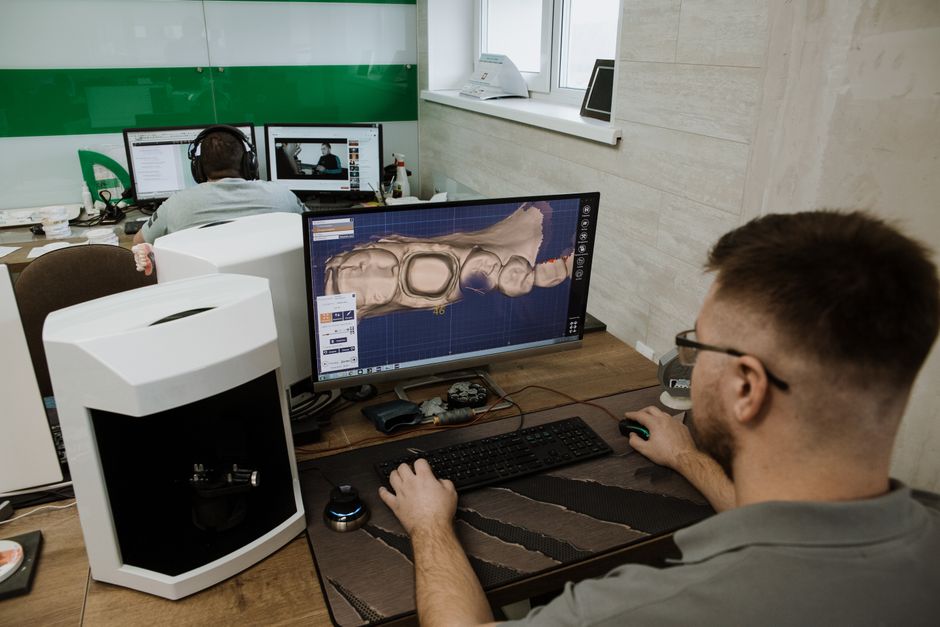
DentaLab Open was first created as a research software in the early 2000s. Its primary purpose was to aid in the development of dental implants and other prosthetic devices. The software was designed to be highly customizable, allowing researchers to create complex 3D models of dental structures.
As the software gained popularity among researchers, its developers began to see its potential in the dental industry. They started to collaborate with dentists and dental laboratories to create a more user-friendly interface and add features that would cater to the needs of dental professionals.

The Free and Open-Source Story
In 2010, the developers of DentaLab Open decided to release the software as free and open-source. This move was seen as a game-changer in the dental industry, as it provided dental professionals with access to a powerful tool without the hefty price tag.
The open-source model allowed for a community-driven approach to development, where users could contribute to the software’s growth and improvement. This led to the creation of a vast library of plugins and extensions, further enhancing the software’s capabilities.
Key Features of DentaLab Open
- 3D visualization and modeling
- Customizable interface
- Integration with CAD/CAM systems
- Collaboration tools
Evolution of DentaLab Open Dentistry
Over the years, DentaLab Open has undergone significant transformations, driven by the needs of the dental industry. The software has evolved to include advanced features such as:
- Digital impression capture
- 3D printing integration
- Artificial intelligence-powered diagnostics
| Feature | DentaLab Open | Legacy Tools |
|---|---|---|
| 3D Visualization | Advanced 3D modeling and rendering | Limited 2D visualization |
| Customization | Highly customizable interface | Limited customization options |
| Integration | Seamless integration with CAD/CAM systems | Limited integration options |
DentaLab Open vs Legacy Tools
When compared to legacy tools, DentaLab Open stands out for its advanced features, customization options, and integration capabilities. The software’s open-source model has also led to a community-driven approach to development, resulting in a more robust and reliable platform.
| Criteria | DentaLab Open | Legacy Tools |
|---|---|---|
| Cost | Free and open-source | Expensive licensing fees |
| Customization | Highly customizable | Limited customization options |
| Integration | Seamless integration with CAD/CAM systems | Limited integration options |
In conclusion, the DentaLab Open history is a testament to the power of innovation and community-driven development. From its humble beginnings as a research software to its current status as a global dental visualization platform, DentaLab Open has come a long way. Its advanced features, customization options, and integration capabilities make it an ideal choice for dental professionals looking to stay ahead of the curve.
| Version | Release Date | Key Features |
|---|---|---|
| 1.0 | 2010 | 3D visualization and modeling, customizable interface |
| 2.0 | 2015 | Integration with CAD/CAM systems, collaboration tools |
| 3.0 | 2020 | Digital impression capture, 3D printing integration, artificial intelligence-powered diagnostics |