ITK (Insight Toolkit) history: A Journey of Innovation and Advancements
The ITK (Insight Toolkit) has come a long way since its inception, evolving from a research software to a global dental visualization platform. In this article, we will delve into the history of ITK, its key milestones, and its impact on the field of dentistry.
Early Beginnings and Research Roots
The ITK project was initiated in 1999 by the National Library of Medicine (NLM) and the National Institutes of Health (NIH). The primary goal was to develop a software toolkit that would facilitate the analysis and visualization of medical imaging data. The project was led by a team of researchers from the University of Pittsburgh, who worked tirelessly to create a robust and efficient toolkit.
Initially, the ITK was designed to support research in medical imaging, with a focus on image processing, registration, and segmentation. The toolkit quickly gained popularity among researchers and scientists, who appreciated its flexibility and customizability.
Key Features and Advancements
Over the years, the ITK has undergone significant advancements, with new features and algorithms being added regularly. Some of the key features of the ITK include:
- Image processing and filtering
- Image registration and fusion
- Segmentation and feature extraction
- Visualization and 3D rendering
These features have made the ITK an indispensable tool for researchers and scientists working in the field of medical imaging.
Evolution into Dentistry
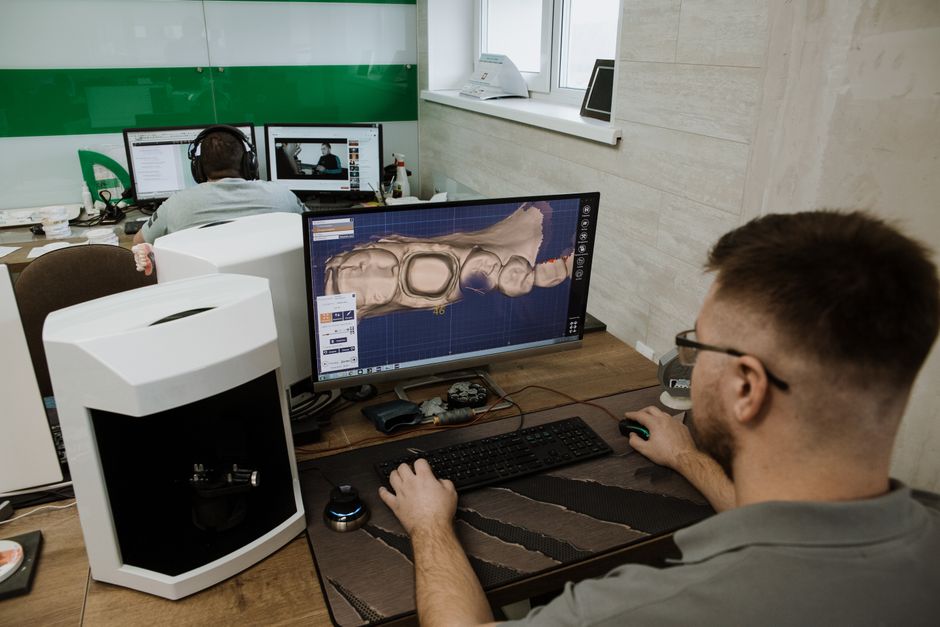
In recent years, the ITK has found applications in the field of dentistry, particularly in the areas of dental visualization and 3D printing. The toolkit’s ability to process and visualize complex 3D data has made it an attractive option for dentists and orthodontists.
The ITK has been used in various dental applications, including:
- Dental implant planning
- Orthodontic treatment planning
- 3D printing of dental models
These applications have improved the accuracy and efficiency of dental treatments, and have enhanced patient outcomes.
Comparison with Legacy Tools
| Feature | ITK | Legacy Tools |
|---|---|---|
| Image processing and filtering | Advanced algorithms and filters | Basic image processing capabilities |
| Image registration and fusion | Accurate and efficient registration | Manual registration and limited fusion capabilities |
| Segmentation and feature extraction | Advanced segmentation algorithms | Basic segmentation capabilities |
Free and Open-Source
One of the most significant advantages of the ITK is its free and open-source nature. The toolkit is available for download and use by anyone, without any licensing fees or restrictions.
This has made the ITK accessible to researchers, scientists, and clinicians around the world, and has facilitated its widespread adoption.
Comparison with Commercial Tools
| Feature | ITK | Commercial Tools |
|---|---|---|
| Licensing fees | Free and open-source | Expensive licensing fees |
| Customizability | Highly customizable | Limited customizability |
| Community support | Active community and forums | Limited community support |
Conclusion
In conclusion, the ITK has come a long way since its inception, evolving from a research software to a global dental visualization platform. Its advanced features, free and open-source nature, and widespread adoption have made it an indispensable tool for researchers, scientists, and clinicians.
| Year | Milestone |
|---|---|
| 1999 | ITK project initiated by NLM and NIH |
| 2000 | First release of ITK software |
| 2005 | ITK adopted by research community |
| 2010 | ITK applied in dental visualization and 3D printing |