DentaLab Open history: Evolution of a Revolutionary Dental Platform
DentaLab Open has come a long way since its inception, transforming from a research-focused software to a global dental visualization platform. In this article, we will delve into the history of DentaLab Open, exploring its evolution, key features, and what sets it apart from legacy tools.
Humility and Innovation
DentaLab Open’s journey began with a research-oriented approach, aiming to bridge the gap between dental professionals and technology. The initial version was created with the goal of providing a free, open-source solution for dental visualization and analysis. As the software gained popularity, the development team continued to innovate and expand its capabilities.

The turning point came when the team decided to shift their focus from research to dentistry. This decision marked the beginning of a new era for DentaLab Open, as it started to cater to the specific needs of dental professionals. The software underwent significant changes, incorporating features that facilitated seamless communication, improved workflow, and enhanced patient care.
Key Features and Advancements
So, what makes DentaLab Open stand out from its competitors? Here are some key features that have contributed to its success:
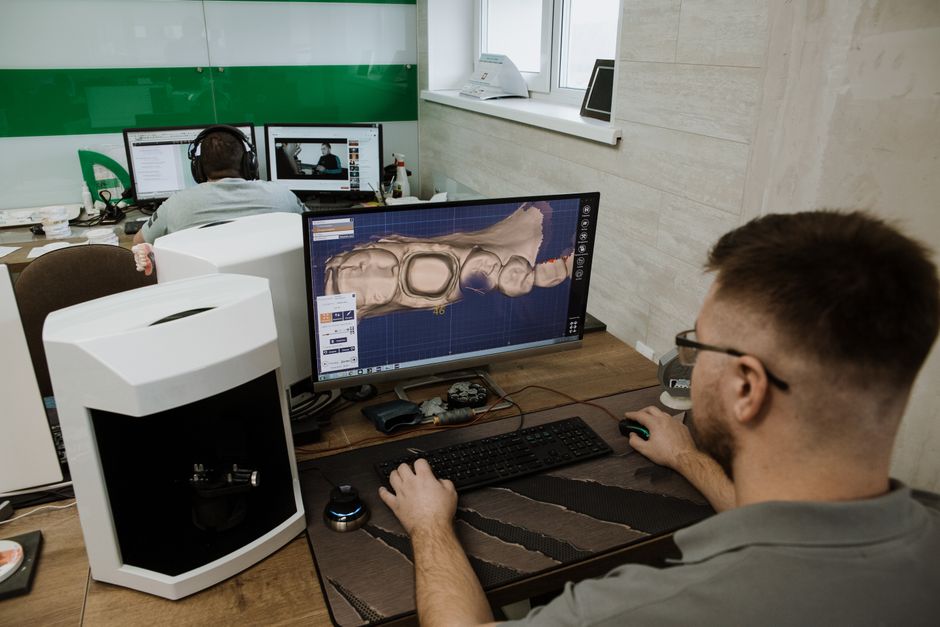
- 3D Visualization: DentaLab Open offers advanced 3D visualization capabilities, enabling dental professionals to create detailed models of teeth, gums, and surrounding tissues.
- Collaboration Tools: The platform allows for seamless communication and collaboration between dentists, labs, and other stakeholders, streamlining the workflow and reducing errors.
- Customizable Workflows: DentaLab Open provides users with the flexibility to create custom workflows tailored to their specific needs, increasing efficiency and productivity.
Comparison with Legacy Tools
So, how does DentaLab Open compare to legacy tools? Here’s a comparison table highlighting some key differences:
| Feature | DentaLab Open | Legacy Tools |
|---|---|---|
| 3D Visualization | Advanced 3D visualization capabilities | Limited or no 3D visualization |
| Collaboration Tools | Seamless communication and collaboration | Limited or no collaboration features |
| Customizable Workflows | Customizable workflows for increased efficiency | Rigid workflows with limited flexibility |
Another comparison table highlighting the benefits of DentaLab Open’s open-source nature:
| Feature | DentaLab Open | Legacy Tools |
|---|---|---|
| Licensing Fees | No licensing fees, free to use | Expensive licensing fees |
| Community Support | Active community support and development | Limited or no community support |
| Customization | Highly customizable to meet specific needs | Limited customization options |
In conclusion, DentaLab Open’s history is a testament to the power of innovation and community-driven development. From its humble beginnings as a research-focused software to its current status as a global dental visualization platform, DentaLab Open has consistently pushed the boundaries of what is possible in dentistry.

As the dental industry continues to evolve, DentaLab Open is poised to remain at the forefront, providing dental professionals with the tools and features they need to deliver exceptional patient care.
Future Developments and Roadmap
What’s next for DentaLab Open? The development team is committed to continuing the platform’s evolution, with a focus on:
- AI-Powered Features: Integrating artificial intelligence to enhance diagnosis, treatment planning, and patient outcomes.
- Cloud-Based Infrastructure: Transitioning to a cloud-based infrastructure to improve scalability, security, and accessibility.
- Expanded Collaboration Tools: Enhancing collaboration features to facilitate seamless communication between dental professionals, labs, and patients.
Stay tuned for future updates and developments from the DentaLab Open team!