Introduction
The Dental Information System (DIS) has revolutionized the field of dentistry with its cutting-edge technology and innovative approach to dental practice management. But have you ever wondered how this powerful tool came to be? In this article, we will delve into the history of DIS, from its humble beginnings as research software to its current status as a global dental visualization platform.
The Early Days of DIS
The concept of DIS was first conceived in the early 2000s by a team of researchers who sought to create a more efficient and effective way to manage dental data. At the time, dental practices were relying on outdated and cumbersome systems that made it difficult to store, organize, and analyze patient information.
The researchers, led by a team of experts in computer science and dentistry, set out to create a software system that would integrate all aspects of dental practice management, from patient scheduling to treatment planning and billing.

The Evolution of DIS
Over the years, DIS has undergone significant transformations, driven by advances in technology and the evolving needs of dental professionals. In the early days, DIS was primarily used for data storage and retrieval, but as the software evolved, it began to incorporate more advanced features, such as 3D visualization and treatment planning tools.
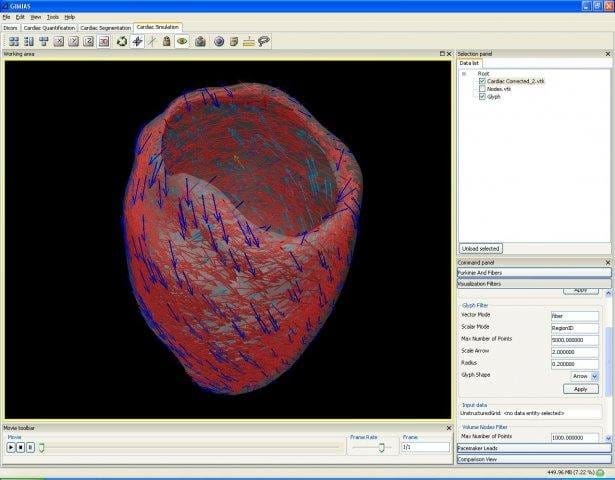
One of the major breakthroughs in the development of DIS was the integration of 3D visualization technology. This allowed dental professionals to create detailed, three-dimensional models of patients’ teeth and gums, enabling more accurate diagnoses and treatment plans.
DIS vs Legacy Tools
So, how does DIS compare to legacy tools in the dental industry? Here are a few key differences:
| Feature | DIS | Legacy Tools |
|---|---|---|
| Data Storage | Cloud-based, secure, and scalable | Locally stored, limited capacity |
| 3D Visualization | Advanced, interactive 3D models | Basic, 2D imaging |
| Treatment Planning | Comprehensive, customizable plans | Limited, generic plans |
The Open-Source Story of DIS
One of the unique aspects of DIS is its open-source nature. This means that the software is freely available for anyone to use, modify, and distribute. This approach has fostered a community of developers and users who contribute to the software’s growth and improvement.
The open-source model has also enabled DIS to stay ahead of the curve in terms of technology and innovation. With a global community of contributors, DIS is constantly evolving to meet the changing needs of dental professionals.

Comparison of DIS with Other Dental Software
Here’s a comparison of DIS with other popular dental software:
| Software | Cost | Features | Support |
|---|---|---|---|
| DIS | Free, open-source | Comprehensive, customizable | Community-driven |
| Dentrix | Subscription-based | Robust, but limited customization | Commercial support |
| EagleSoft | Subscription-based | Feature-rich, but complex interface | Commercial support |
Conclusion
In conclusion, the Dental Information System (DIS) has come a long way since its inception as research software. Today, it is a powerful, global dental visualization platform that is revolutionizing the field of dentistry. With its open-source nature, comprehensive features, and community-driven support, DIS is an ideal choice for dental professionals looking to stay ahead of the curve.