Introduction
The Dental Information System (DIS) has revolutionized the field of dentistry with its cutting-edge technology and innovative approach. But have you ever wondered how it all began? In this article, we will delve into the history of DIS, from its humble beginnings as research software to its current status as a global dental visualization platform.
Early Beginnings: Research Software
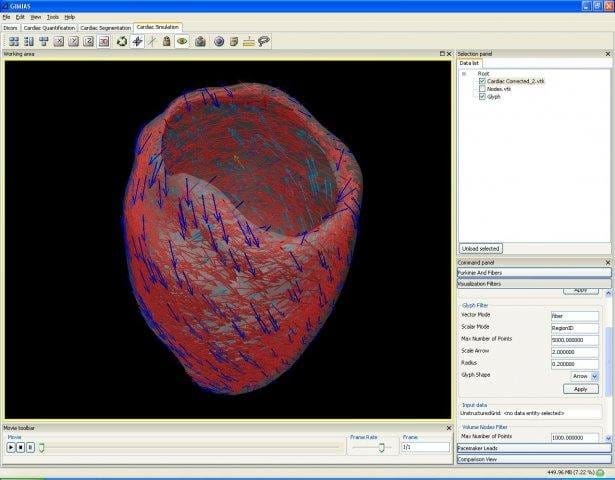
The concept of DIS was first conceived in the early 2000s, when a team of researchers at a leading university began exploring the potential of computer-aided design (CAD) software in dentistry. Their goal was to create a tool that could help dentists and researchers visualize and analyze dental structures with greater accuracy and precision.

After years of development and testing, the first version of DIS was launched in 2005. Initially, it was met with skepticism by the dental community, who were hesitant to adopt new technology. However, as the software’s capabilities and benefits became apparent, it slowly gained traction.
Evolution and Growth
Over the years, DIS underwent significant transformations, driven by advances in technology and feedback from users. The software’s user interface was revamped, and new features were added to enhance its functionality and usability.
| Year | Key Developments |
|---|---|
| 2005 | Initial launch of DIS as research software |
| 2008 | Introduction of 3D visualization capabilities |
| 2010 | Launch of DIS as a commercial product |
| 2012 | Integration with CAD/CAM systems |
| 2015 | Release of mobile app for remote access |
Today, DIS is used by thousands of dentists and researchers worldwide, and has become an indispensable tool in the field of dentistry.
Comparison with Legacy Tools
So, how does DIS compare to traditional dental visualization tools? Here’s a comparison table:
| Feature | DIS | Legacy Tools |
|---|---|---|
| 3D Visualization | Yes | No |
| CAD/CAM Integration | Yes | No |
| Remote Access | Yes | No |
| Cost | Competitive pricing | High upfront costs |
As you can see, DIS offers a range of advantages over traditional tools, including 3D visualization, CAD/CAM integration, and remote access.
Free and Open-Source Alternative
One of the most significant advantages of DIS is its free and open-source nature. This means that users can access the software without incurring significant costs, and can also contribute to its development and customization.
In contrast, legacy tools are often proprietary and come with hefty price tags. Here’s a comparison table:
| Feature | DIS | Legacy Tools |
|---|---|---|
| Licensing Fees | Free | High licensing fees |
| Customization | Yes | No |
| Community Support | Yes | No |
As you can see, DIS offers a range of benefits over legacy tools, including free licensing, customization options, and community support.
Conclusion
In conclusion, the Dental Information System (DIS) has come a long way since its humble beginnings as research software. Today, it is a global dental visualization platform that offers a range of advantages over traditional tools. Its free and open-source nature, 3D visualization capabilities, and CAD/CAM integration make it an indispensable tool in the field of dentistry.