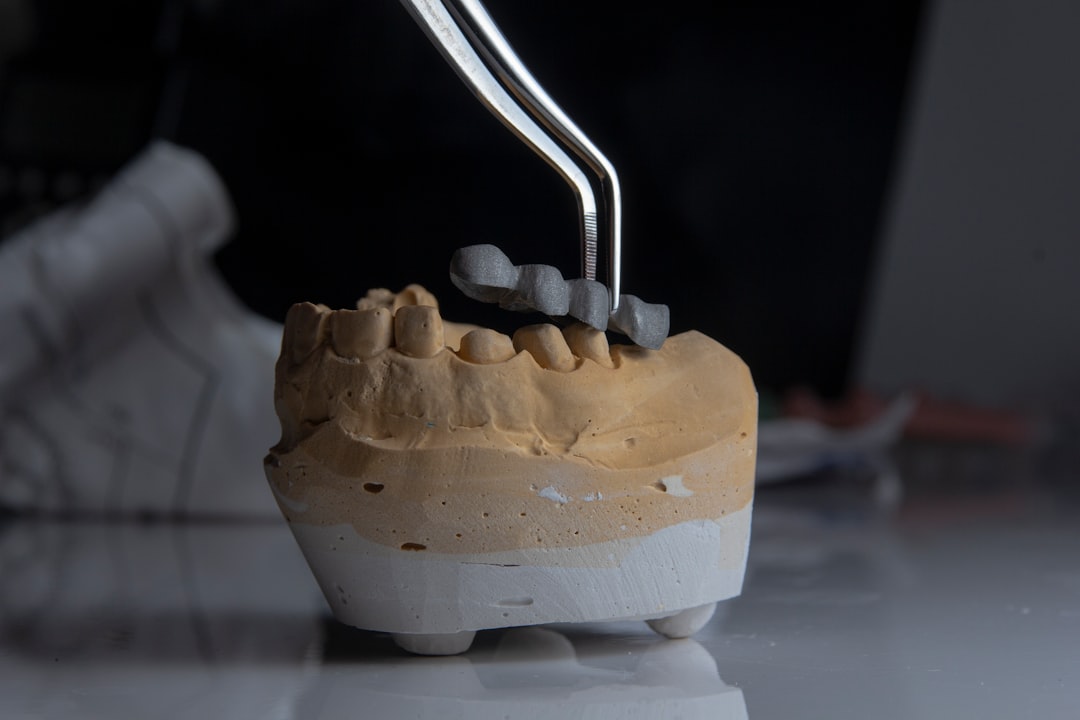
What is Dental Information System (DIS)?
The Dental Information System (DIS) is a comprehensive software solution designed to streamline and manage dental practice operations. It is an essential tool for dental clinics, allowing them to efficiently organize patient data, schedule appointments, and track treatment plans. With DIS, dental professionals can focus on providing high-quality care while minimizing administrative burdens.
Main Components of DIS
The Dental Information System (DIS) typically consists of several key components, including patient management, scheduling, billing, and reporting modules. These components work together to provide a seamless and integrated experience for dental clinic staff and patients alike.
Key Features of Dental Information System (DIS)
Secure Data Storage
One of the primary concerns for dental clinics is the security of patient data. DIS addresses this concern by providing encrypted backups, snapshot scheduling, and restore points. This ensures that critical clinic files are safe and can be quickly recovered in case of an emergency.
Efficient Scheduling
DIS allows dental clinics to efficiently manage their schedules, reducing wait times and increasing productivity. The system enables staff to easily schedule appointments, track patient arrivals, and send reminders.
Comprehensive Reporting
The reporting module in DIS provides dental clinics with valuable insights into their operations. The system generates detailed reports on patient demographics, treatment plans, and financial performance, helping clinics make informed decisions.
Why Does Dental Information System (DIS) Fail?
Common Pitfalls
Despite its benefits, DIS can fail if not implemented or used correctly. Common pitfalls include inadequate training, poor data migration, and insufficient technical support. It is essential for dental clinics to carefully evaluate their needs and choose a reliable DIS provider.
Restore Testing Plan for Critical Clinic Files
To minimize the risk of data loss, dental clinics should have a restore testing plan in place. This involves regularly testing backups and restore points to ensure that critical clinic files can be quickly recovered in case of an emergency.
Download Dental Information System (DIS) Free
Free Trial Options
Many DIS providers offer free trial options, allowing dental clinics to test the system before committing to a purchase. This is an excellent way for clinics to evaluate the features and functionality of DIS and determine whether it meets their needs.
Free Dental Tools vs. DIS
While free dental tools may seem like an attractive option, they often lack the comprehensive features and support offered by DIS. Dental clinics should carefully weigh the benefits and drawbacks of free tools versus a full-featured DIS.
Technical Specifications
System Requirements
The technical specifications for DIS typically include system requirements, such as operating system, hardware, and software requirements. Dental clinics should ensure that their infrastructure meets these requirements to ensure smooth system operation.
Integration Options
DIS often integrates with other dental software and systems, such as digital imaging and practice management software. Dental clinics should consider their existing systems and ensure that DIS can integrate seamlessly.
Pros and Cons of Dental Information System (DIS)
Advantages
- Streamlines dental practice operations
- Improves patient care and satisfaction
- Enhances data security and backup
- Increases productivity and efficiency
Disadvantages
- Initial investment and setup costs
- Requires training and technical support
- May require hardware and software upgrades
Frequently Asked Questions (FAQ)
Q: What is the cost of Dental Information System (DIS)?
A: The cost of DIS varies depending on the provider, features, and number of users. Dental clinics should contact providers for a customized quote.
Q: Is DIS compatible with my existing systems?
A: DIS often integrates with other dental software and systems. Dental clinics should check with providers for compatibility information.