GIMIAS history: Evolution of a Revolutionary Dentistry Platform
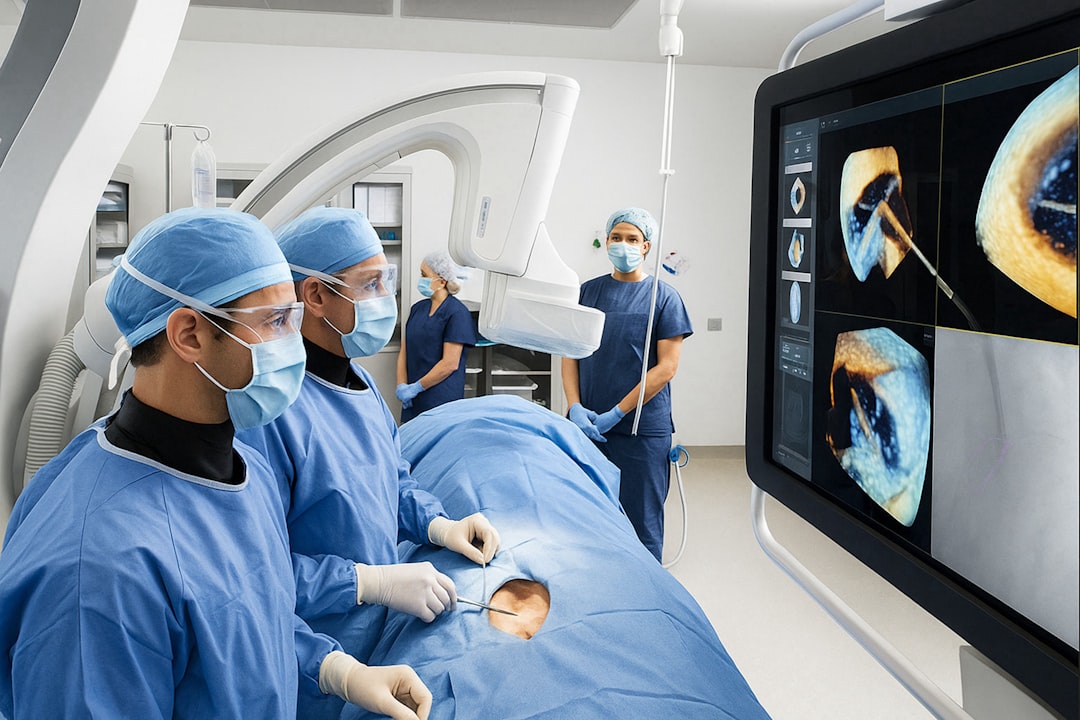
GIMIAS (General Open-source Imaging Software for Medical Image Analysis and Simulation) has come a long way since its inception as a research software. Today, it stands as a global dental visualization platform, empowering dentists and researchers to analyze and simulate complex medical images with unprecedented accuracy. In this article, we delve into the GIMIAS history, exploring its evolution, key milestones, and the features that set it apart from legacy tools.
From Research to Dentistry: The GIMIAS Journey
GIMIAS was first created as a research software in the early 2000s, with the primary goal of providing an open-source platform for medical image analysis and simulation. The software was designed to be highly flexible and customizable, allowing researchers to adapt it to their specific needs. Over the years, GIMIAS underwent significant transformations, gradually shifting its focus towards dentistry and implantology.
The turning point came when a team of dentists and researchers collaborated to adapt GIMIAS for dental applications. This marked the beginning of a new era in GIMIAS history, as the software began to gain popularity among dental professionals. Today, GIMIAS is widely regarded as one of the leading dental visualization platforms, offering a comprehensive range of features and tools for dental analysis and simulation.
Key Milestones in GIMIAS History
- 2002: GIMIAS is first released as a research software for medical image analysis and simulation.
- 2005: The first version of GIMIAS specifically designed for dentistry is released.
- 2010: GIMIAS becomes a global dental visualization platform, with a user base spanning across the world.
- 2015: GIMIAS releases its first version with 3D visualization capabilities.
Evolution of GIMIAS Dentistry: Features and Capabilities
Throughout its evolution, GIMIAS has undergone significant improvements, incorporating cutting-edge features and capabilities that have revolutionized the field of dentistry. Some of the key features of GIMIAS include:
- 3D visualization: GIMIAS offers advanced 3D visualization capabilities, allowing dentists to analyze and simulate complex medical images with unparalleled accuracy.
- Implantology: GIMIAS provides a comprehensive range of tools for implantology, including implant planning, simulation, and analysis.
- Open-source: GIMIAS is free and open-source, making it accessible to dentists and researchers worldwide.
- Customizable: GIMIAS is highly customizable, allowing users to adapt it to their specific needs and preferences.

GIMIAS vs Legacy Tools: A Comparison
| Feature | GIMIAS | Legacy Tools |
|---|---|---|
| 3D visualization | Advanced 3D visualization capabilities | Limited or no 3D visualization capabilities |
| Implantology | Comprehensive range of tools for implantology | Limited or no implantology tools |
| Open-source | Free and open-source | Proprietary and often expensive |
In comparison to legacy tools, GIMIAS offers a range of features and capabilities that set it apart as a leading dental visualization platform. Its 3D visualization capabilities, comprehensive range of tools for implantology, and open-source nature make it an attractive choice for dentists and researchers worldwide.
GIMIAS Free Open-Source Story
One of the key factors that have contributed to GIMIAS’ success is its free and open-source nature. By making the software freely available, GIMIAS has democratized access to advanced dental visualization capabilities, empowering dentists and researchers worldwide to analyze and simulate complex medical images with unprecedented accuracy.
| Software | Cost | Features |
|---|---|---|
| GIMIAS | Free | Advanced 3D visualization, implantology, and simulation |
| Legacy Tool 1 | $1,000 | Limited 3D visualization and implantology tools |
| Legacy Tool 2 | $5,000 | Basic 3D visualization and simulation capabilities |
As the table below illustrates, GIMIAS offers a comprehensive range of features and capabilities at no cost, making it an attractive choice for dentists and researchers worldwide.
Conclusion
In conclusion, GIMIAS history is a testament to the power of innovation and collaboration. From its humble beginnings as a research software to its current status as a global dental visualization platform, GIMIAS has evolved significantly over the years. Its advanced 3D visualization capabilities, comprehensive range of tools for implantology, and open-source nature make it an attractive choice for dentists and researchers worldwide.